1. Architecture and history
Study the prayer hall, roof detailing and courtyard as a series of layers rather than a single frozen date. Read any interpretation signs before attributing a specific period.
Historic riverside temple and old Chiang Khan stories
A historic Buddhist temple along the Chiang Khan riverfront, connected to the town’s nineteenth-century local history.
Open this exact place in Google Maps
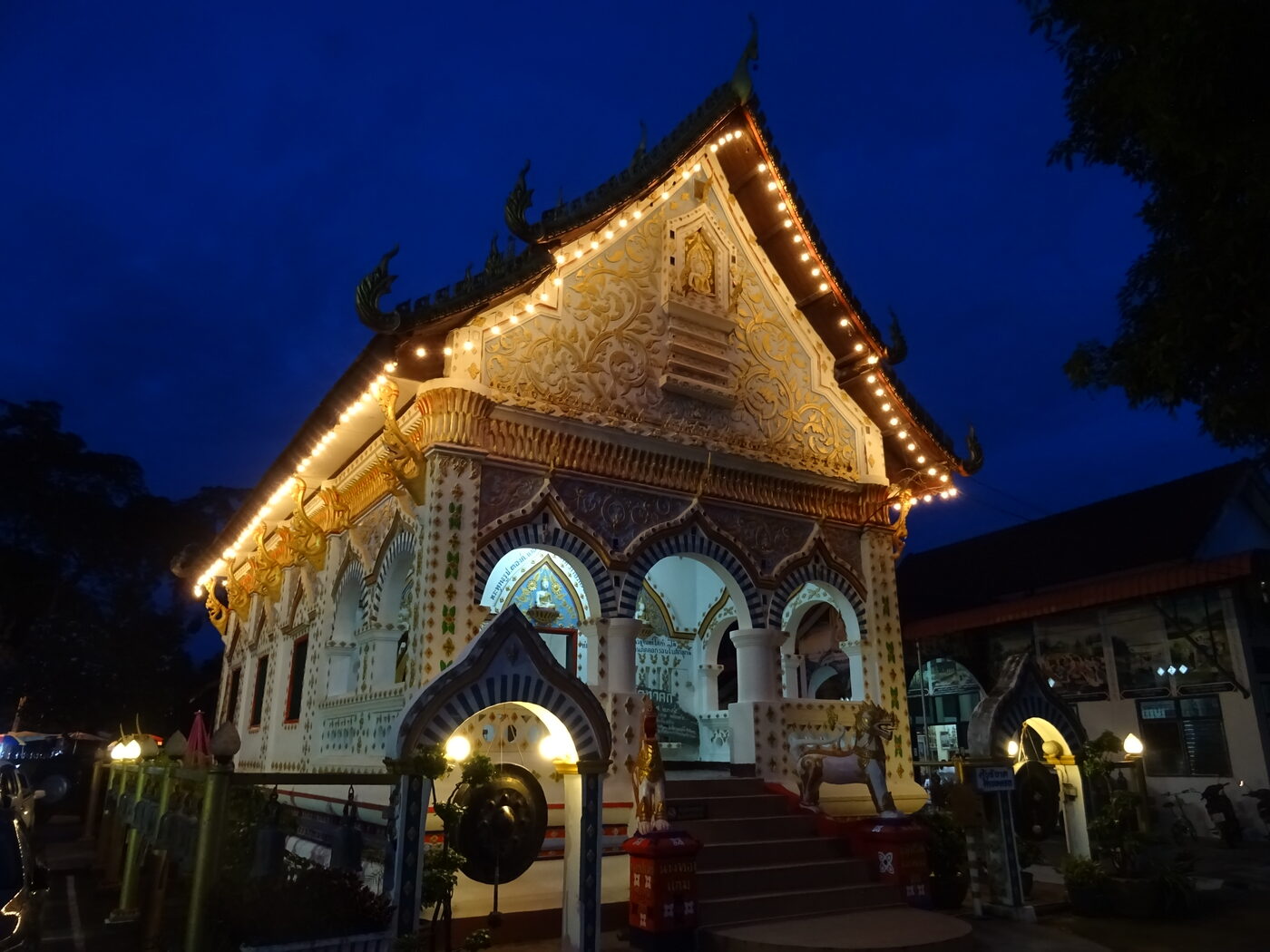
A historic Buddhist temple along the Chiang Khan riverfront, connected to the town’s nineteenth-century local history.
Wat Tha Khok remains a place of Buddhist worship on the Chiang Khan riverfront. The temple community oversees religious access and ceremonies; municipal tourism promotion should not be mistaken for ownership of temple rituals or interiors. Check signs and ask before entering restricted halls.
Wat Tha Khok
Historic Buddhist temple
Chiang Khan, Loei 42110, Thailand
Confirm current opening times, access, and any fees at the site.
The Thailand Tourism Directory records that Wat Tha Khok was built in 1852 under a Chiang Khan governor, according to a stone inscription. The place name refers to a whirlpool or river bend known locally as “Khok”.
Study the prayer hall, roof detailing and courtyard as a series of layers rather than a single frozen date. Read any interpretation signs before attributing a specific period.
Plan a respectful 20–40 minute stop, longer if you enjoy religious architecture. Avoid the busiest worship periods for photography.
Begin at the public approach, explore the permitted courtyard and main-hall exterior, then join the Mekong riverside path and continue to the old town.
Use the exact temple name in navigation. It can be included in a Chiang Khan old-town and riverfront walk, depending on your start point.
Frame the temple roof against the sky from public areas, and focus on permitted ornament details. Be discreet when people are praying.
The Thailand Tourism Directory attributes the temple founding to 1852 and the Chiang Khan governor Phra Si Akkahat (Sita), citing a stone inscription. That foundation history should be separated from later repairs or additions visible today. Compare construction details instead of assigning the same date to every roof and wall.
The temple name is associated in local accounts with a swirling section of the Mekong called “Khok”. From the public approach, compare the temple’s orientation to the river with the old-town streets, remembering that the riverbank and built environment have changed over generations.
Start at the temple entrance, pause at the courtyard and hall exterior, exit toward the established riverside route and continue into the historic town. This makes a calm daytime counterpoint to the evening market.
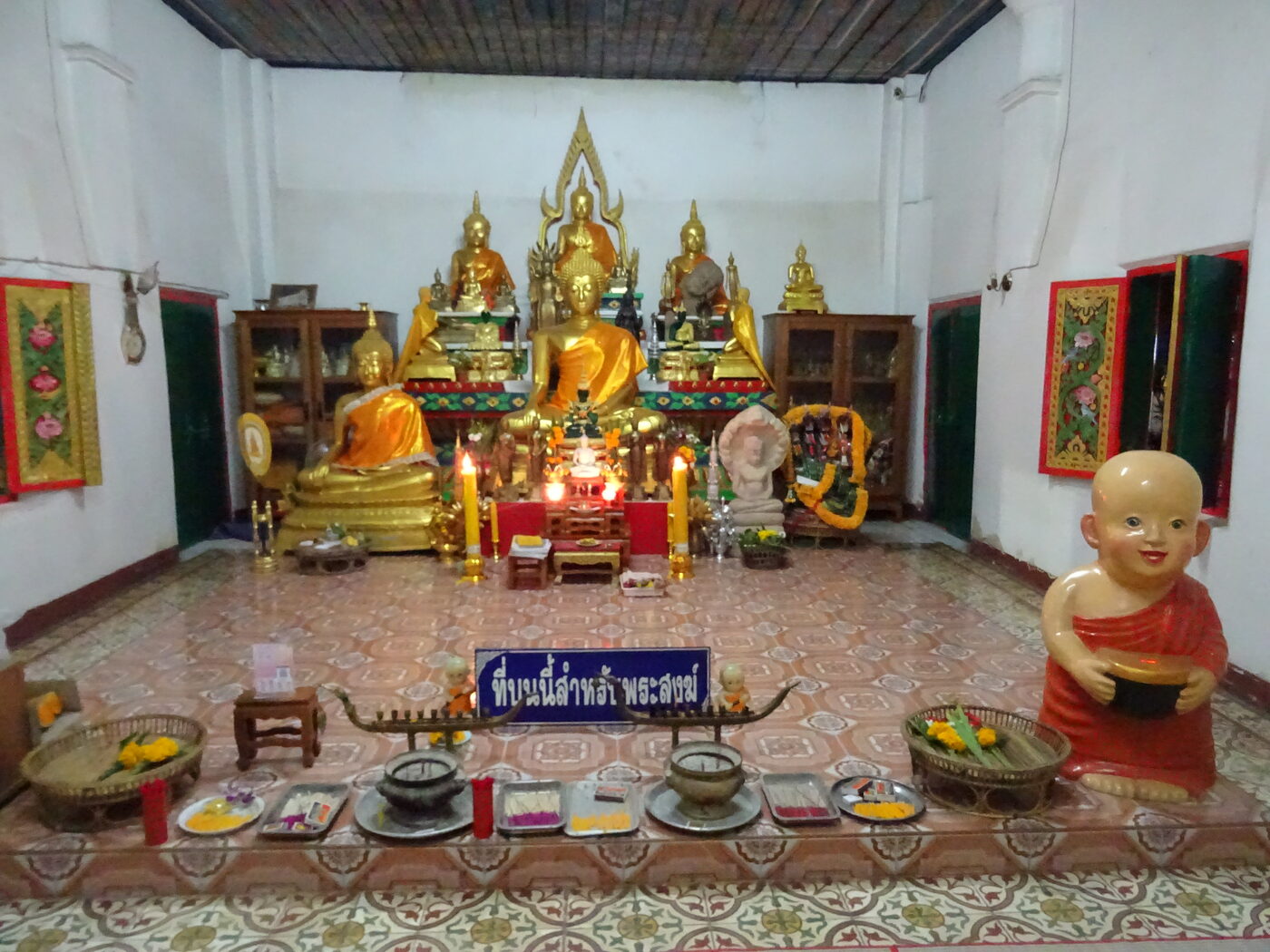
Image rights: all images displayed on this website remain the property and copyright of their original photographers.
A tourism-directory account cites an 1852 founding recorded in an inscription. Individual buildings may have been altered later.
No. Use the temple entrance and follow its own visiting rules.
No. The inscription-based date concerns the founding; surviving structures may have been repaired or rebuilt.
Chiang Khan, Loei 42110, Thailand
Open this exact place in Google Maps: Wat Tha Khok
Mekong river bend, rocks and seasonal water
Morning mist and views over the Mekong valley
Buddhist architecture in Chiang Khan old town
Riverside temple on the road to Kaeng Khut Khu
Glass-floored views over the border rivers
Raised timber houses and living textile traditions
Hill temple, Buddhist devotion and scenic surroundings